
Analysis for Video Conference and Live-broadcasting Teaching Platform
The Ministry of Education of the PRC has issued a series of policies to support continuing learning at home since breakdown of COVID-19 disease in 2020. As a result, over 294 million teachers and students throughout the country have deployed a super-large scale of online education practice where various tools such as live-broadcasting, VOD, recorded broadcast and class management have been used.
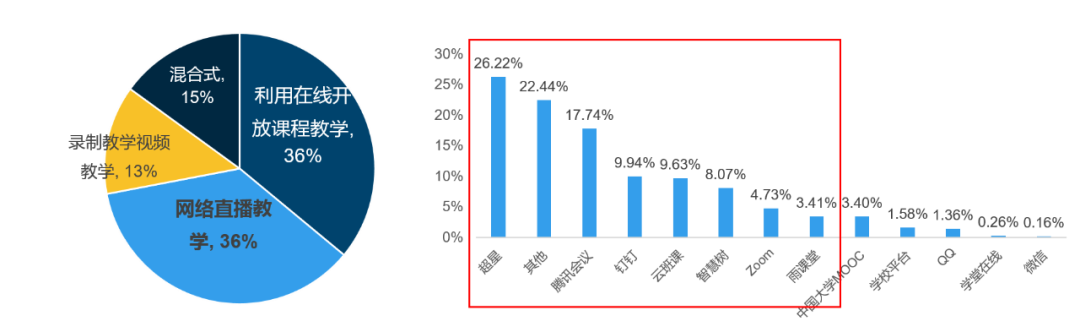
Figure 1 Application and distribution of various online teaching platforms or tools
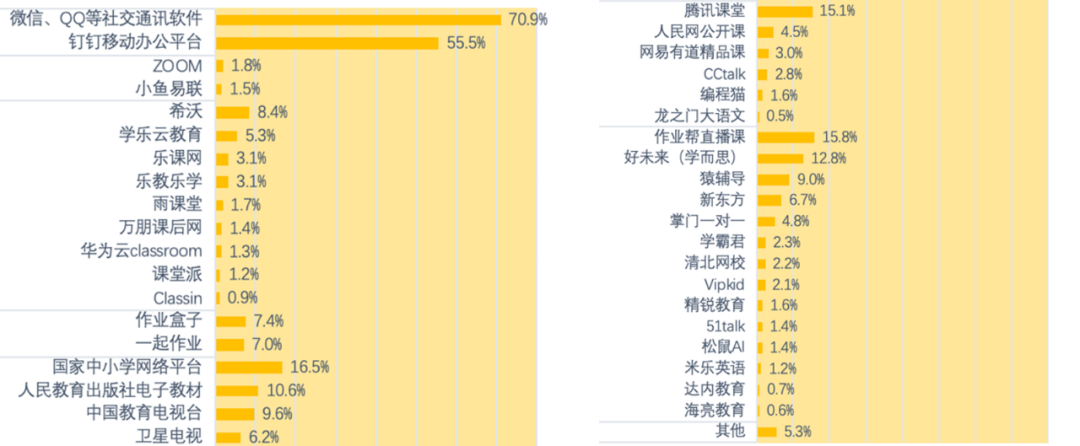
Figure 2 Application and distribution of online education products in Report of Interactive Research over Online Education in the Middle and Primary School During COVID-19 Disease
I. Main functions and technical features of online education platform
The main platforms that have applied online teaching include remote office/cloud video conference, social platform, teaching interaction platform, online classroom platform, network learning space/TV, and learning administration system.
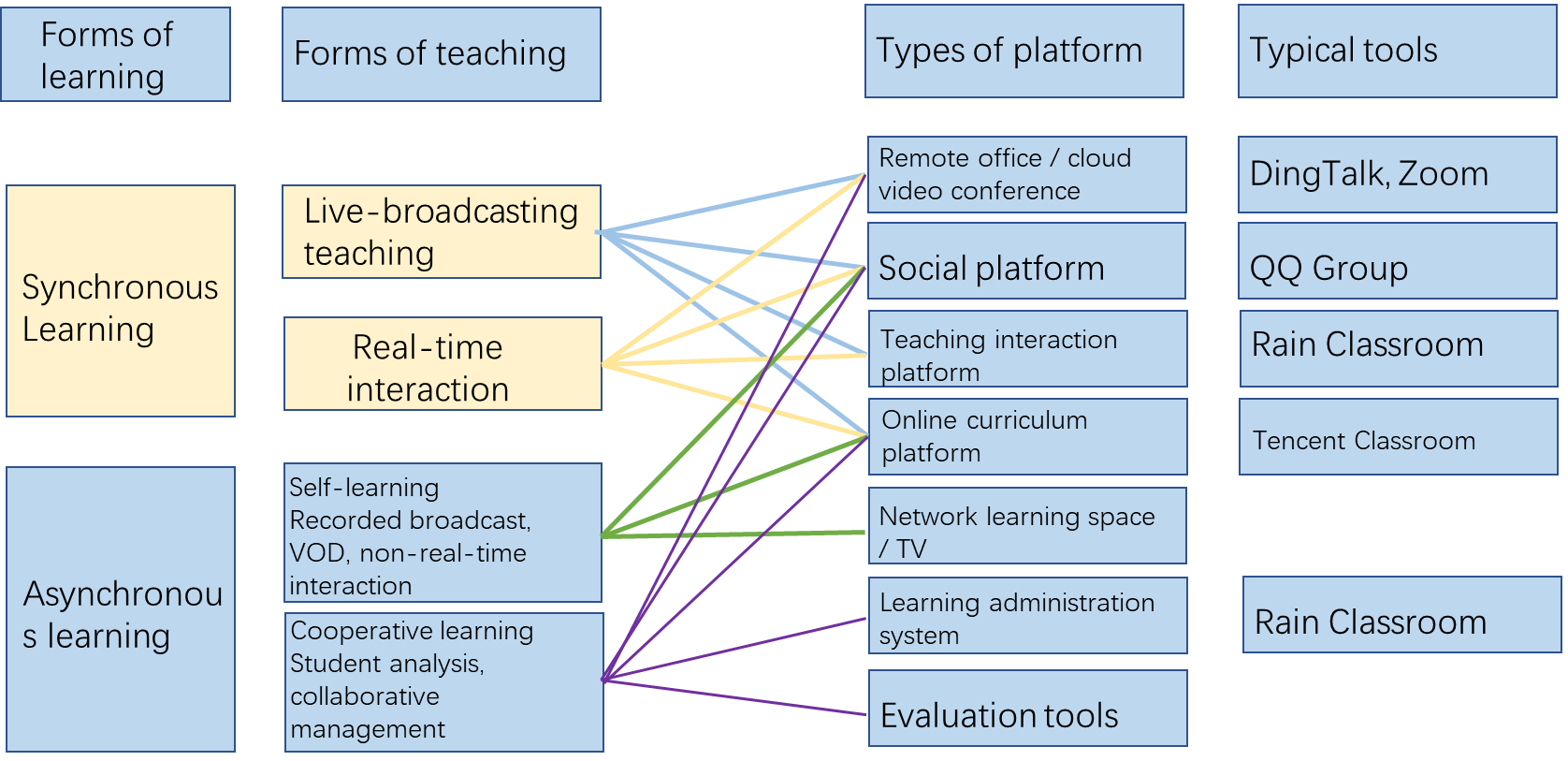
Figure 3 Types of main online teaching platforms
The functions of each online teaching platform have been compared as shown in Figure 4.
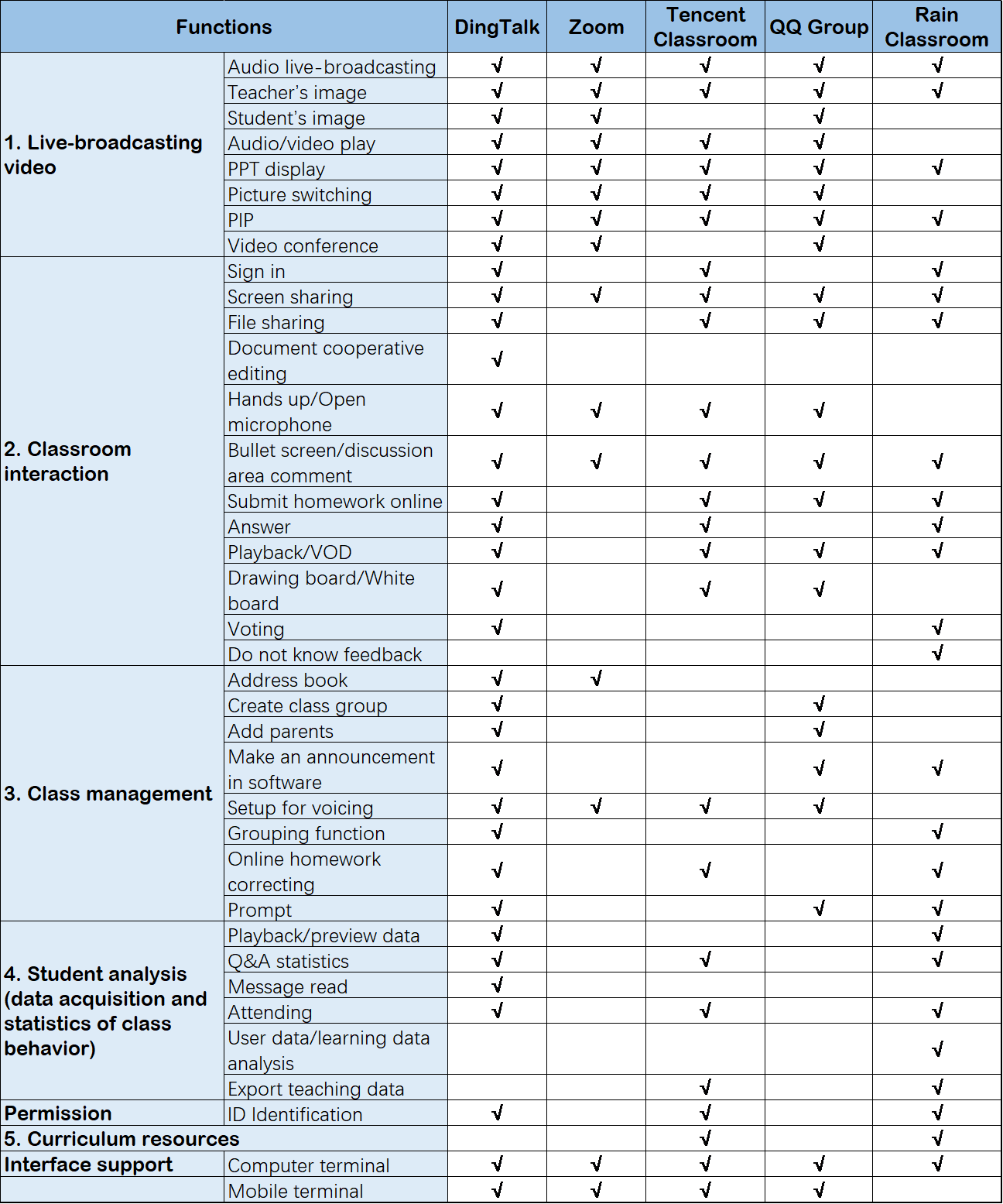
Figure 4 Functional comparison of main online teaching platforms
The analysis for main functions of online teaching platform has been shown in Figure 5. Tencent Classroom and Rain Classroom are specially designed and developed to support online classroom platform and learning administration system, of which functions and features focus on classroom resources, student analysis and classroom interaction and satisfy with demands of the education sector. However, live-broadcasting teaching focuses on one-way broadcasting teaching with simple form of interaction. Zoom, DingTalk and QQ Group can better support learning demands in online teaching instead of supporting learning as video conference tools. Their main functions and features focus on two-way live-broadcasting, but other platform tools are also required for supporting other functions. Although platform administration and interaction are advantageous, curriculum resources, student analysis and statistics are not enough.
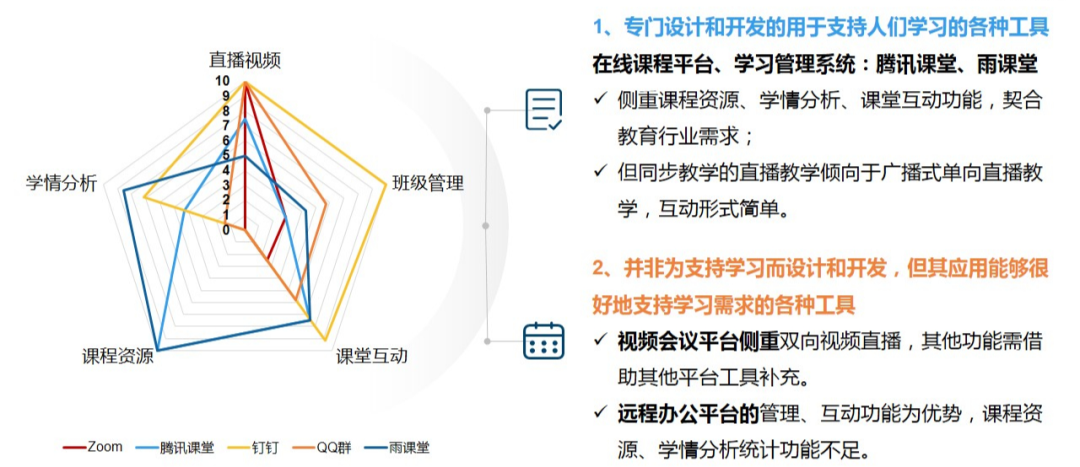
Figure 5 Analysis for main functions of online teaching platform
The functional comparison and analysis for common platforms such as Tencent Classroom, QQ, DingTalk and Zoom have been shown in Figure 6.
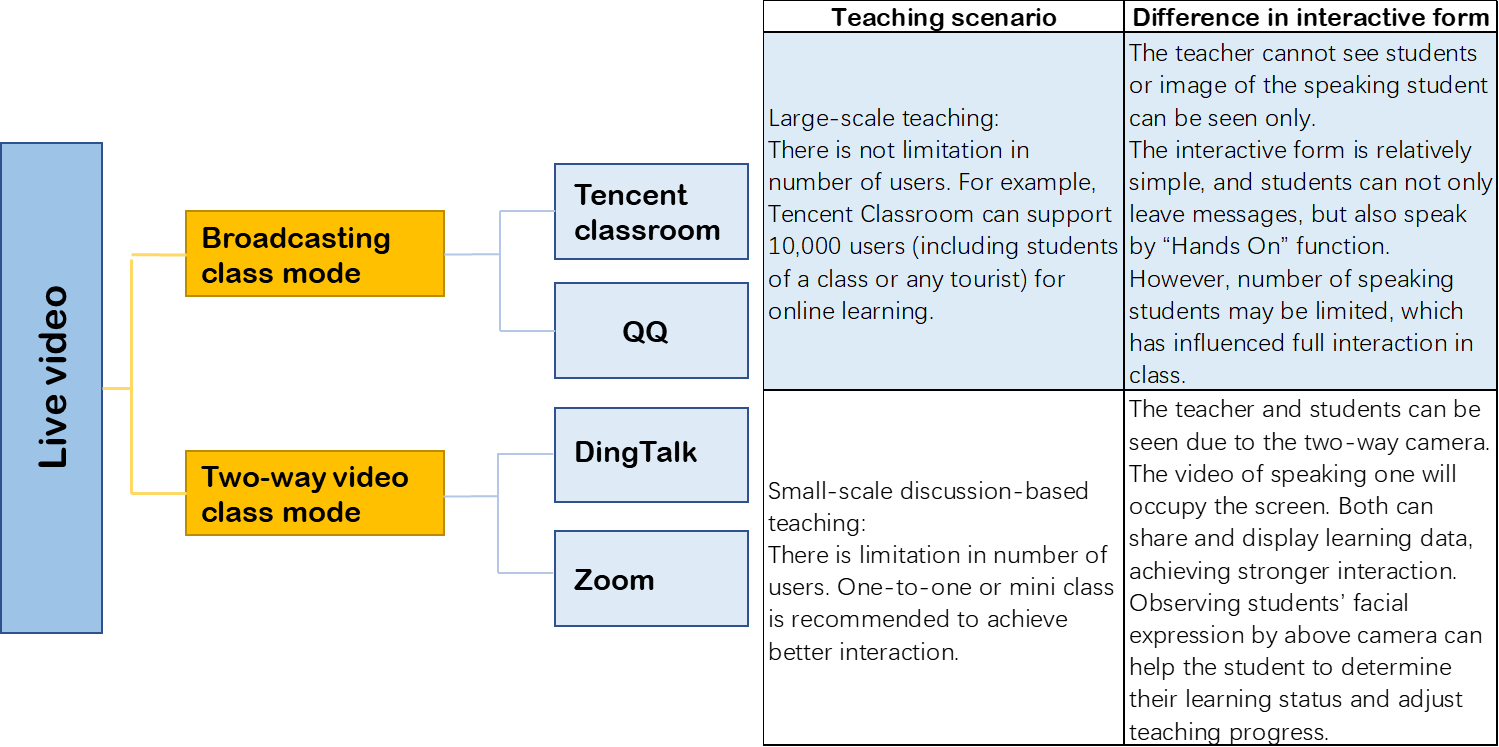
Figure 6 Functional comparison and analysis for cloud video conference and live-broadcasting platform
II. Current online teaching problems and analysis of causes for platform breakdown
The Report of Interactive Research over Online Education in the Middle and Primary School During COVID-19 Disease issued by New Media Communication Research Center of BNU and Guangming Daily Education Research Center has indicated that inadequate interaction is the top one problem in online education from feedback of teachers. Because of technical defects such as inadequate interaction between teachers and students and complex operation in online learning environment, students are usually lonely and helpless, which has affected their learning. Therefore, current online education shall be further improved in interaction function.
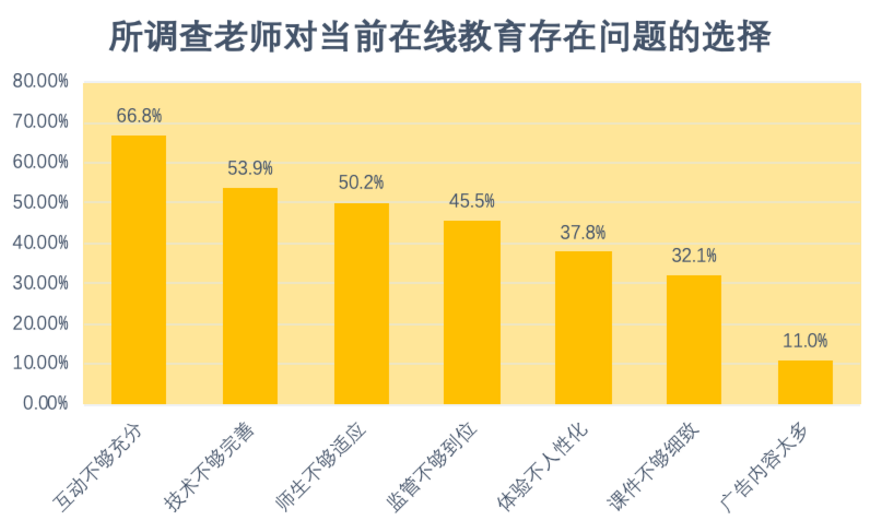
Figure 7 Feedback of current problems in online education from teachers in middle and primary school
The disconnection and breakdown of online learning platform are frequent at the beginning of online learning mainly because:
The Technical Survey and Research over Online Teaching Platform issued by Intelligent Learning Academy of National Engineering Laboratory for Cyberlearning and Intelligent Technology of BNU has indicated structure and form of several products for online learning applied by current educational institutions. However, causes of breakdown for various frameworks are different.
According to Technical Survey and Research over Online Teaching Platform issued by Intelligent Learning Academy of National Engineering Laboratory for Cyberlearning and Intelligent Technology of BNU, the breakdown step of streaming media transmission for network broadcast is flow promotion at broadcaster terminal – content distribution in network – play by users.
III. How to guarantee service quality of online education platform
From the view of technology, implementing online teaching throughout the school requires various supports, including network, system, and cloud dispatching.
According to Technical Survey and Research over Online Teaching Platform issued by Intelligent Learning Academy of National Engineering Laboratory for Cyberlearning and Intelligent Technology of BNU, online teaching platform shall realize live broadcasting, interaction and low latency and not encounter lag, disconnection and downtime. At present, technical guarantee for online teaching platform has presented three features as below:
When online video communication is considered to use in education, some important features shall also be paid more attention to, including two-way video and audio, video network seminar, video grouping and meeting room, recording, send file and grouping message, calendar/ID identification integration, screen sharing, mobile startup, support integration, support development and hardware terminal integration, because they bring more flexible and valuable experience for teachers and students.
During the epidemic, various online teaching modes such as online open curriculum, online live-broadcasting teaching and VOD teaching have been widely used. As an online teaching mode approximate to offline class, online live-broadcasting teaching is featured with high interaction level and strong presence for teachers. However, low flow may result in bad network stability. Therefore, integrating multiple online teaching modes, building full-media learning ecology and combining online open curriculum with online live-broadcasting teaching will be future development directions.
Based on big data, AI and virtual reality, we can effectively implement student analysis and satisfy with interactive demands to create a better immersive environment and improve learning experience. Pushing learning resources in high-efficient and intelligent way can find users by resources to improve individualized learning for students.
release time:2020-06-10
