

The IPv6 Standard Working Group Established to Accelerate the Evolution and Upgrading of the Internet
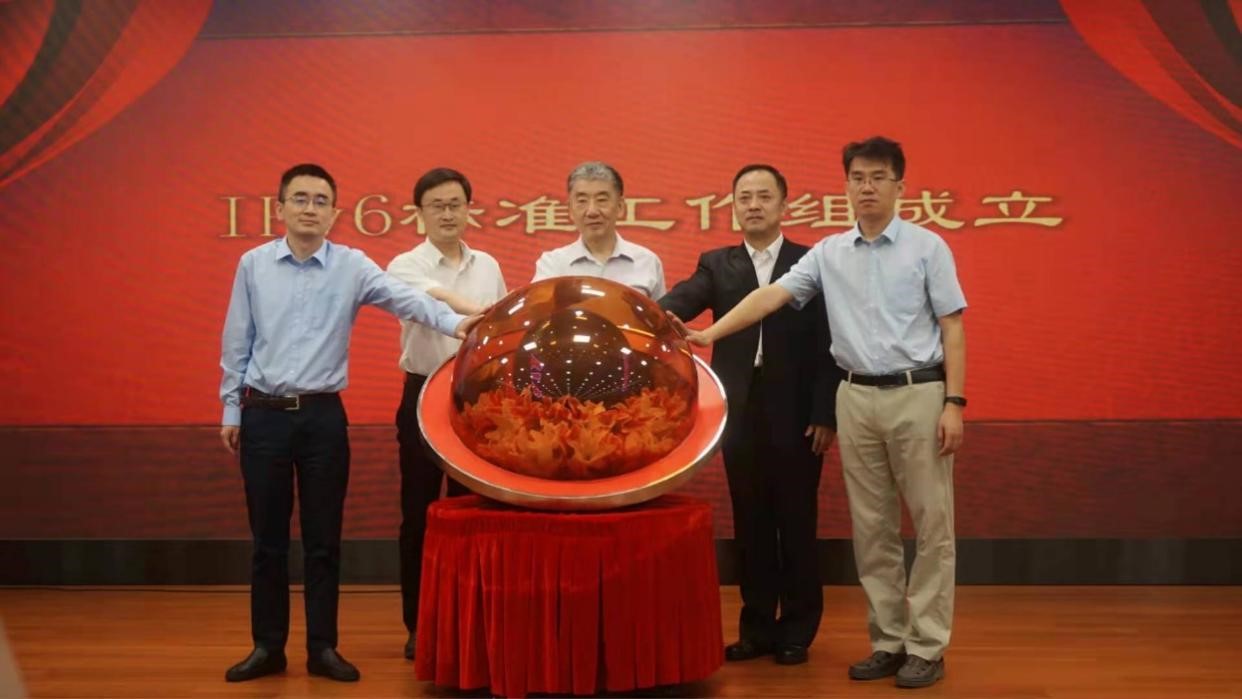
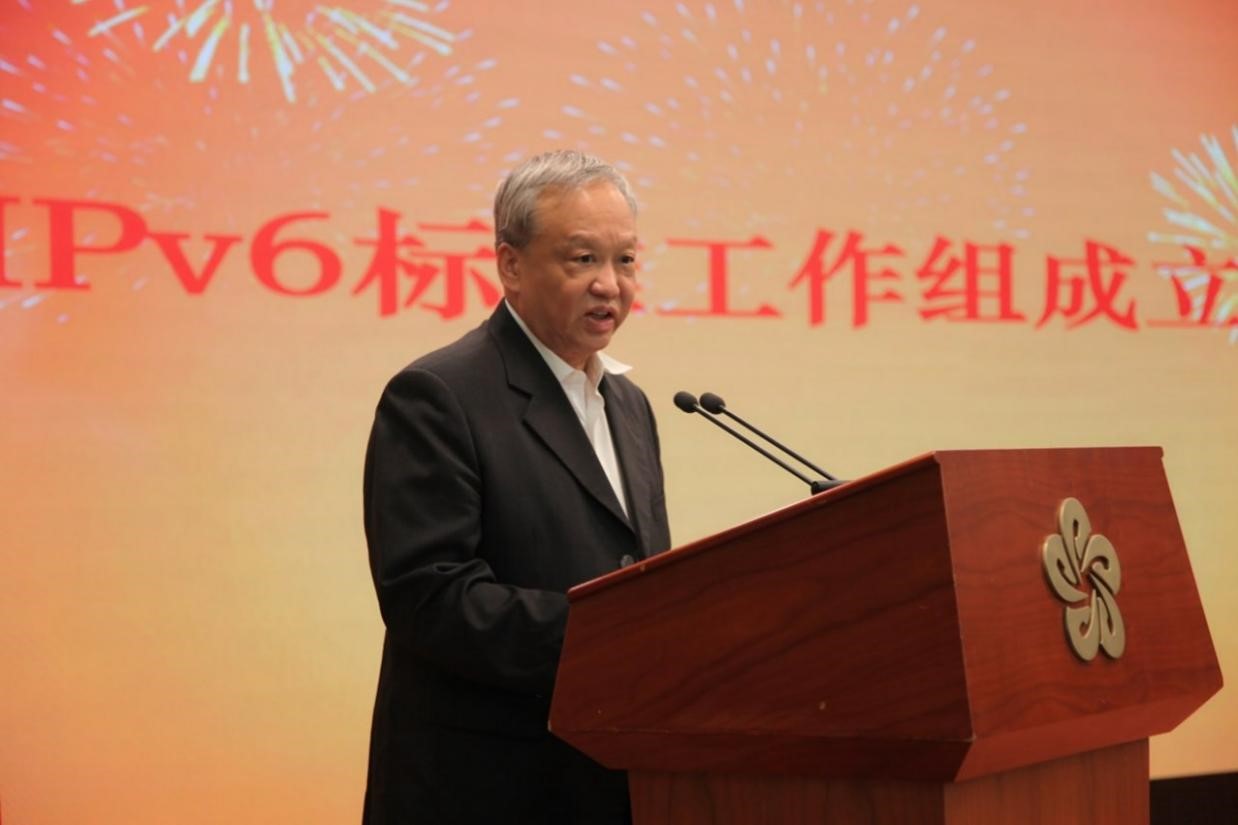
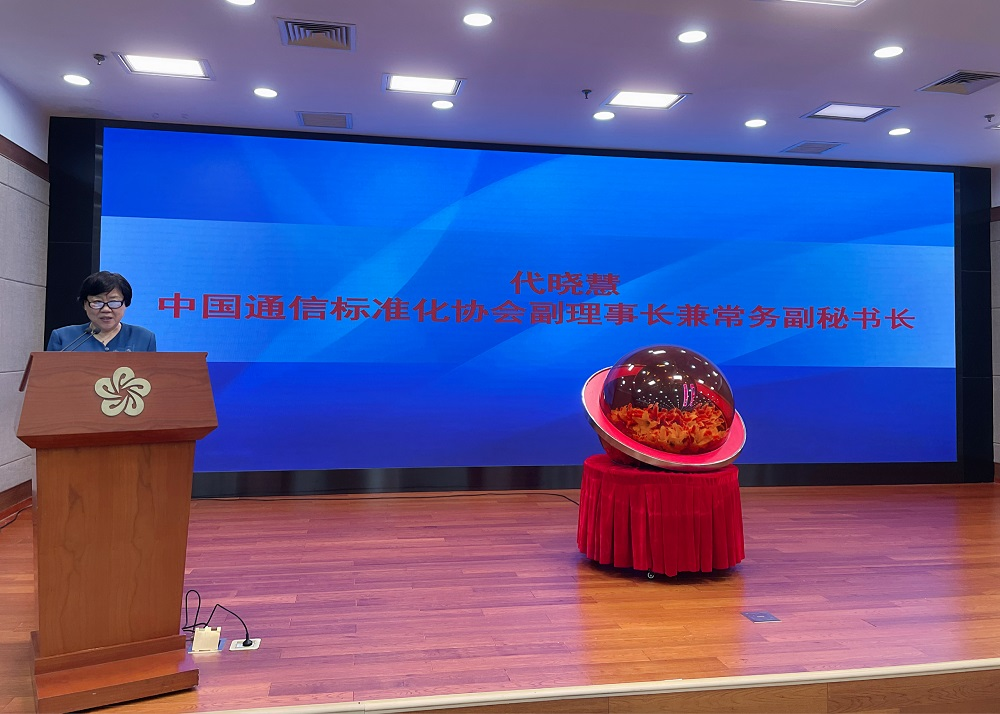
On September 1, 2021, the inaugural meeting of the IPv6 standard working group was held in Beijing. Xi Guohua, former Vice Minister of the Ministry of Industry and Information Technology (MIIT) and Chairman of China Communications Standards Association, Xie Cun, Director of the Information and Communication Development Department of MIIT, Wen Ruisong, Deputy Director of the Informatization Development Bureau of the Office of the Central Cyberspace Affairs Commission, Liu Dashan, Director of the Standard Technology Management Department of State Administration for Market Regulation, attended and addressed the meeting. Zhao Jun, Director of the High Technology Department of the National Development and Reform Commission, joined this meeting for guidance. Vice President and Secretary General Wen Ku and Vice President and Executive Deputy Secretary General Dai Xiaohui of China Communications Standards Association presided over the meeting.
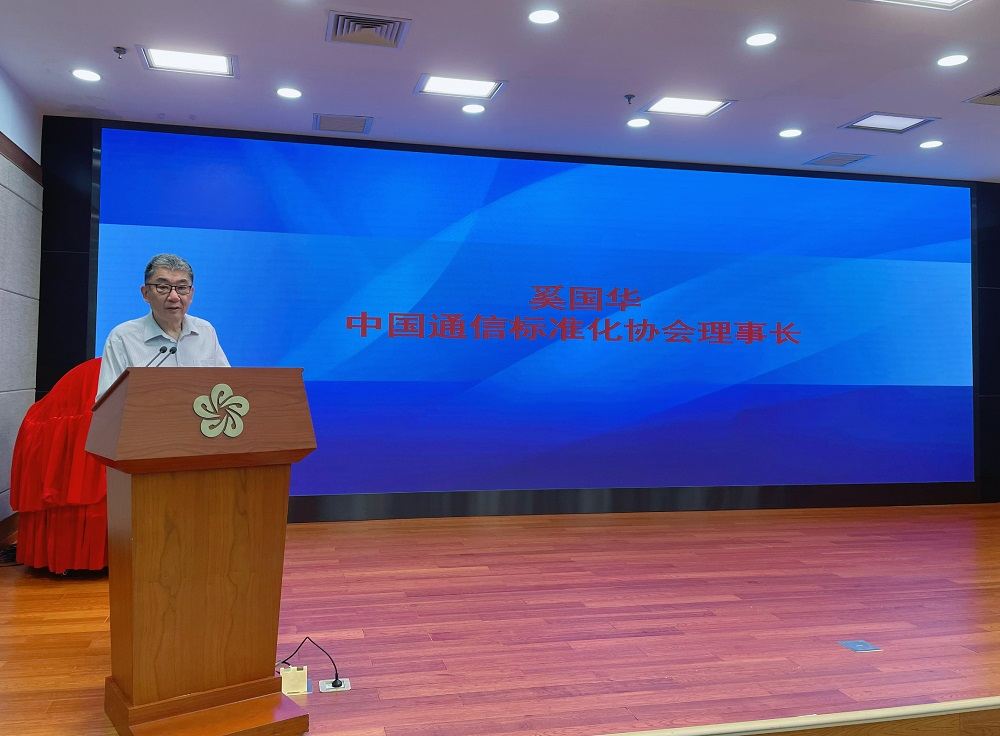
President Xi Guohua pointed out that IPv6 is the main direction of Internet evolution and upgrading, a new starting point for the innovative development of the next-generation Internet, as well as the crucial content of building a cyberspace power and digital China. The establishment of the IPv6 standard working group is a new beginning of industrial development and sounds a new bugle of Internet evolution and upgrading. He suggested that China's IPv6 standardization work should be designed overall in the next-generation Internet system and promote from four business needs and six technical requirements. The four business needs include continuously promoting network transformation and improving network quality, upgrading the support of fixed terminal, Internet and APP and breaking through the shortboard of terminals, deepening industrial application transformation and stimulating innovation vitality, as well as enhancing the ability of security guarantee to ensure safe operation. The six technical requirements are as follows: the first is the improvement of IPv6 function, the second is the upgrading of the core network, domain name resolution, root server and other technologies, the third is the connectivity between IPv6 and IPv4, the fourth is network security and content security, the fifth is global economic integration, and the sixth is the formulation of IPv6 terminal standards.
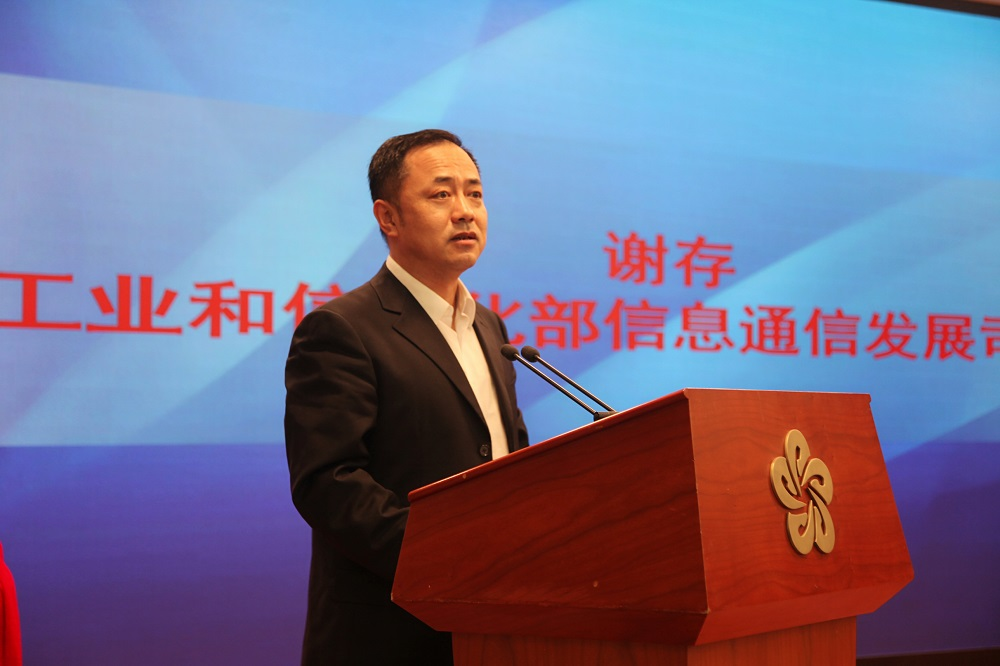
Director Xie Cun noted that the CPC Central Committee and the State Council have attached great importance to the scale deployment of IPv6. In November 2017, the general offices of the CPC Central Committee and the State Council jointly issued Action Plan for Promoting the Scale Deployment of Internet Protocol Version 6 (IPv6), which further clarified the timetable and road map for pushing forward the scale deployment of IPv6 and comprehensively sounded China’s bugle to vigorously advance the tough battle of IPv6 upgrading and transformation. According to the deployment of the action plan, the MIIT has successively carried out a series of special work of "IPv6 network readiness" and "IPv6 end-to-end connectivity upgrading" and has achieved remarkable results. As the premise and foundation of promoting the scale deployment of IPv6, standardization is of great significance to boost the development of IPv6 technology and industry and enhance the comprehensive competitiveness of national cyberspace. It is at the right time for China Communications Standards Association to lead the establishment of the IPv6 standard working group to gather IPv6 forces from all domestic parties, comprehensively promote the development of IPv6 national standards, industry standards and group standards, and provide standard guidance for the deployment and transformation of IPv6. He suggested that the working group should do the following three jobs in the future: The first is to strengthen the overall layout. Under the guidance of relevant units, the China Communications Standards Association shall give full play to the role of the platform, converge the forces of enterprises, universities, research institutes and end-users as well as actively organize the development of IPv6 standardization so as to guide the deployment, transformation and application promotion of IPv6. The second is to improve the standard system. In terms of national standards, based on the existing architectures such as TC485, we should actively promote the construction of national standards in IPv6 monitoring and evaluation, new IPv6 technologies and IPv6 vertical industry applications to enhance the overall influence of the standards. In terms of industry standards, in combination with the new situation and requirements, we need to further beef up the development and promotion of IPv6 network, protocol, equipment, quality, security and other relevant industry and group standards. When it comes to international standards, we must deeply get involved in the international standardization work of IPv6 such as IETF, ITU-T and ETSI, accelerate the layout from "point" and "surface", and actively promote the transformation of China's independent intellectual property standards into international standards. The third is to pay attention to the promotion of standards. All relevant parties need to further strengthen coordination, deepen the promotion and application of IPv6-related standard outcomes, facilitate IPv6 end-to-end network quality improvement, industrial development and application innovation, and build an extensive IPv6 application ecology.
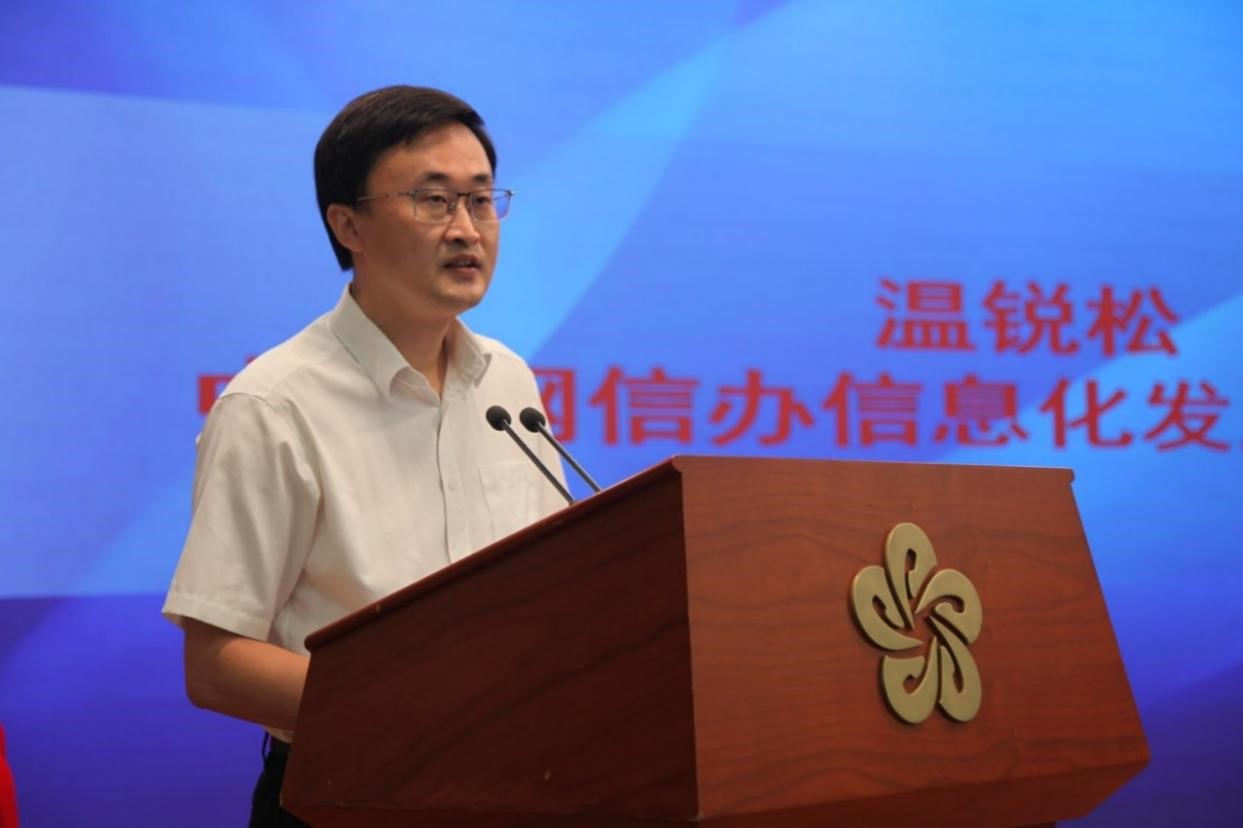
On behalf of the Informatization Development Bureau of the Office of the Central Cyberspace Affairs Commission, Deputy Director Wen Ruisong congratulated the establishment of the IPv6 standard working group. He pointed out that the CPC Central Committee and the State Council put a high value on the scale deployment and application of IPv6. The Central Cyberspace Affairs Commission, the National Development and Reform Commission and the Ministry of Industry and Information Technology issued Notice on Accelerating the Scale Deployment and Application of Internet Protocol Version 6 (IPv6) and Work Arrangement for Further Promoting the Scale Deployment and Application of IPv6 in 2021, which deployed and arranged the establishment of the IPv6 standard working group and accelerated the formulation of standards and specifications. He hoped that the IPv6 standard work should grasp the correct direction and earnestly implement the decision-making deployment of the CPC Central Committee and the State Council and the requirements for IPv6 deployment and application; The work must improve the standard system, accelerate the development of standards in key areas and actively participate in the formulation of IPv6 international standards; The work ought to regard demand as its orientation, focus on bottlenecks and support the scale deployment and application of IPv6 to achieve greater results; Finally, it needs to highlight innovation driving, pay attention to the construction of ecology, and give full play to the role of various industries and departments, scientific research institutions and cyberspace enterprises.

Director Liu Dashan said that the establishment of the IPv6 standard working group is a general mobilization of the Central Cyberspace Affairs Commission, the National Development and Reform Commission, the Ministry of Industry and Information Technology and the State Administration for Market Regulation on IPv6 standardization. It also marks the re-deployment and re-starting of China's IPv6 standardization work, which will further accelerate the development process of IPv6 standard and usher in a new chapter of China's IPv6 standardization work. He put forward three suggestions on doing well in IPv6 standardization: First, we need to set up a special project for IPv6 standardization to jointly promote the scale deployment of IPv6 and support the prosperity and development of the industry. Second, we must accelerate the standardization work process as well as continue to support China Communications Standards Association to keep improving and promoting the IPv6 national standard system. Third, we should deepen IPv6 international cooperation, boost the efficient connectivity of the next-generation Internet around the world, and promote the construction of a new international governance order of the next-generation Internet.
The establishment ceremony of the IPv6 standard working group was held at the meeting. Xie Cun, Director of the Information and Communication Development Department of MIIT, announced that Secretary General Wen Ku serves as the leader of the IPv6 standard working group. This group consists of three sub-working groups. Wang Zhiqin, Vice President of CAICT, Zhao Huiling, a full-time standing committee member of the Communication Science and Technology Commission of MIIT, and Cui Yong, a professor at Tsinghua University, serve as the leaders of the three sub-working groups respectively. Deputy Director Dai Xiaohui introduced the establishment background, preparatory process, sub-working group building scheme and main standardization direction of the IPv6 standard working group. The leaders of the three sub-working groups reported their work ideas, main tasks and promotion measures.
The IPv6 standard working group is a professional standardization organization established under the guidance and support of the Central Cyberspace Affairs Commission, the National Development and Reform Commission, the Ministry of Industry and Information Technology and the State Administration for Market Regulation. It marks that IPv6 standardization has entered a new stage, which will speed up the process of IPv6 standardization domestically and internationally, accelerate the evolution and upgrading of the Internet and help build a cyberspace power.
(Source: China Communication Standards Association)
(release date:2021-09-18)
